
RS Series rental LED displays for U.S. event crews
Why the grip matters during load-in
A rental LED wall is assembled one cabinet at a time. For an event crew, that means repeating the same actions: pick up a panel, bring it into line, make the connection, then repeat. The cabinet details that make this sequence easier deserve as much attention as the screen specification.
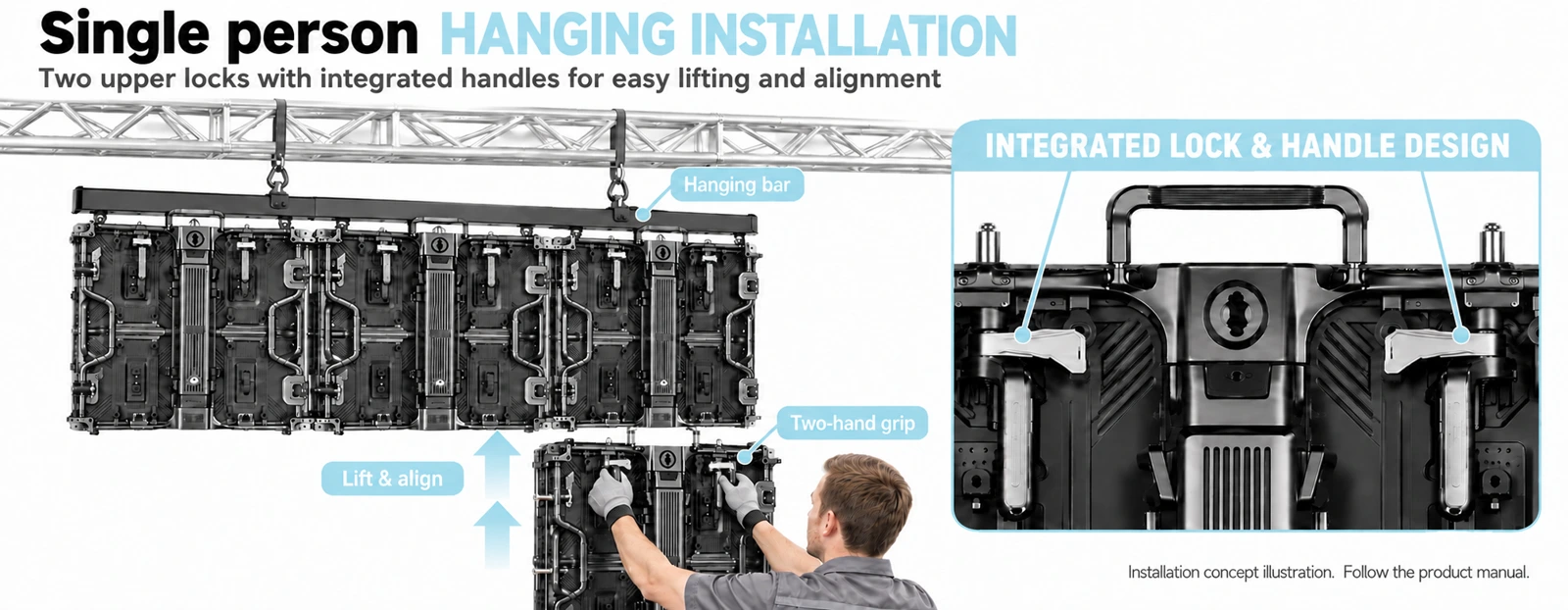
The VTLED RS Series rental LED display focuses on that sequence. Its two upper locking assemblies also act as hand grips. The aim is straightforward: let one installer handle and connect individual cabinets more conveniently, then use the same locations during teardown.
Two upper grips, with the locks built in
Separate handling and connection points can require an installer to change hand positions as a cabinet is lined up. On RS, the upper grips and locks share the same assemblies. The installer has a two-hand grip for lifting and positioning, with the connection hardware at those locations.
Positioning pins guide alignment between cabinets. The brochure describes quick installation and dismantling by a single person—a useful feature for U.S. AV companies and rental crews reviewing how a panel will fit their day-to-day workflow.
That wording has a specific meaning. It describes individual cabinet handling and assembly. It does not mean one person should suspend an entire LED wall, bypass a support system or replace the personnel required by the installation plan.
What the panel weighs—and what size it really is
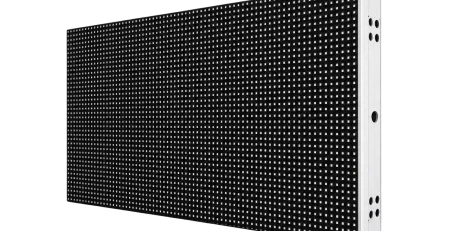
RS uses a 500 × 500 × 68 mm cabinet, or about 19.7 × 19.7 × 2.68 inches. The indoor RS19 and RS26 models weigh 7.5 kg (16.5 lb) per cabinet; the outdoor RS29, RS39 and RS48 weigh 8 kg (17.6 lb).
For a U.S. team planning in feet and inches, these numbers are worth checking early. RS is a metric cabinet system. Start with the available wall space and the required image size, then work out the panel count and finished dimensions with VTLED. Do not assume a 500 mm cabinet is an exact two-foot panel.
One support beam for hanging or ground support
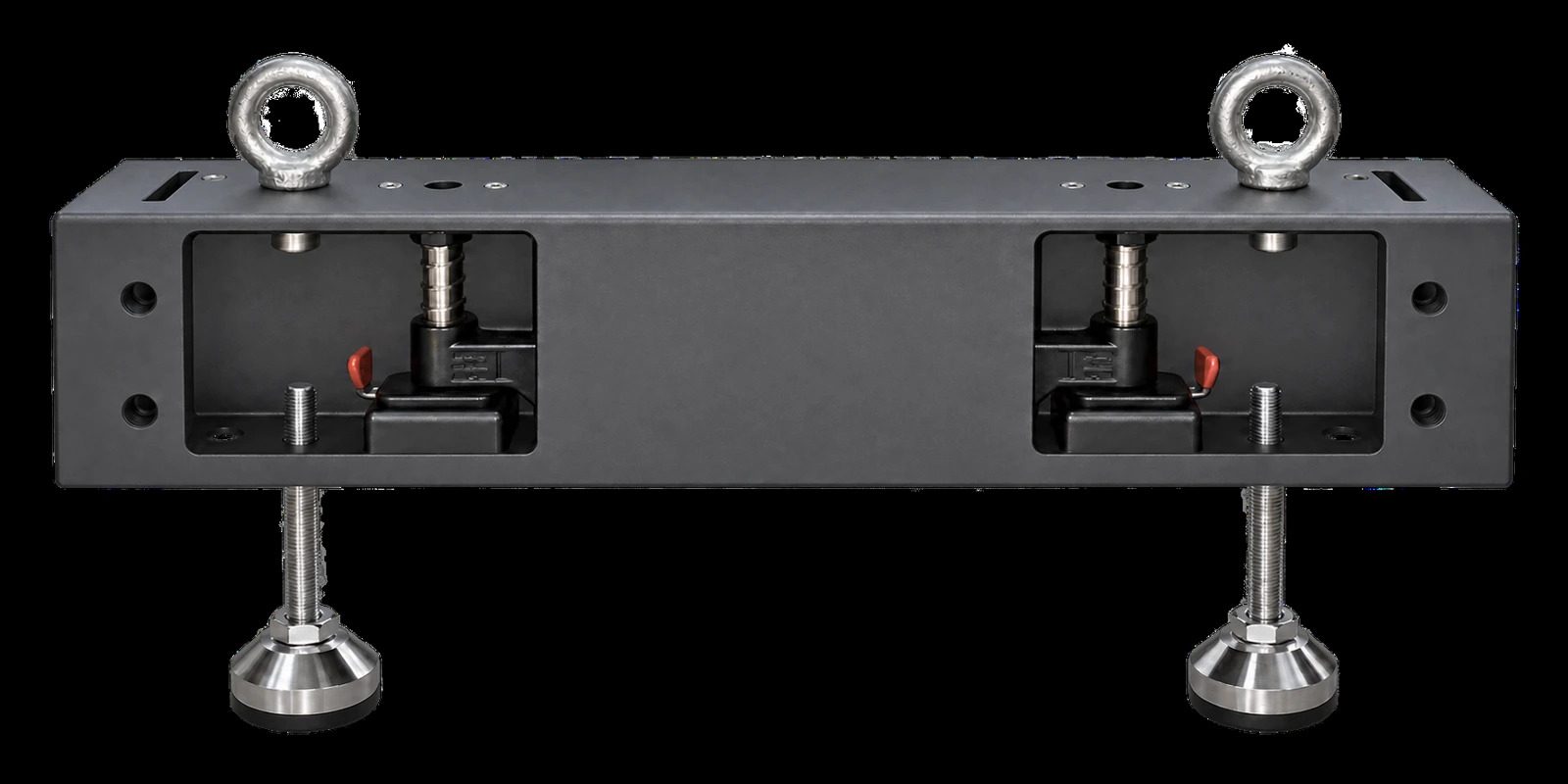
The RS beam can be configured as a hanging bar or used as a ground beam. In hanging mode, lifting eyes provide suspension connection points and the cabinet locks attach the beam to the display. In ground-support mode, threaded feet provide height adjustment and leveling.
For a rental inventory serving different venues, a dual-use component is useful to evaluate alongside the cabinets. Ask which lifting eyes, leveling feet and other hardware are needed for each layout. Load capacity and support limits remain part of the installation plan.
Choose indoor or outdoor RS before choosing the pitch
An indoor conference backdrop and an exposed festival screen have different requirements. RS19 and RS26 are indoor models, with at least 1,000 cd/m² brightness and an IP31 rating. RS29, RS39 and RS48 are outdoor models, with at least 5,000 cd/m² brightness and an IP65 rating.
Across the range, the brochure lists a refresh rate of at least 7,680 Hz and 16-bit grayscale. Pixel pitches run from 1.95 mm to 4.8 mm. The nearest audience distance, presentation detail, ambient light and camera use should all be discussed when selecting a model and processor.
The RS specification table puts the five models side by side.
Where RS fits the U.S. event market
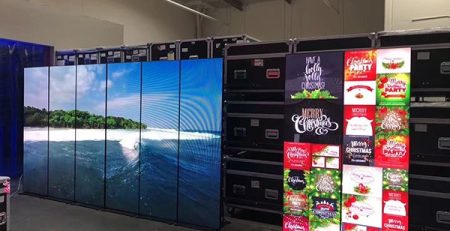
The appeal is practical for corporate AV crews, exhibition contractors, wedding production teams, roadshow operators and concert rental companies: a cabinet designed around repeated handling, plus indoor and outdoor options within the same series.
Consider a trade-show booth with limited load-in time, a hotel event space that changes its stage layout, or a touring brand activation moving between venues. These are situations where grip position, alignment and teardown deserve a hands-on check before a purchase. They are application examples, not claims of completed RS installations.
The strongest buying test is a demonstration of the actual model. Ask to see an installer lift, align, lock, release and remove a cabinet using the documented method. Review the full support arrangement at the same time.
Questions to ask before requesting a quote
- Which RS model fits the nearest viewer and the intended content?
- What finished width, height and resolution will the selected panel count produce?
- Will the wall hang or use ground support, and what additional hardware is required?
- What is the documented cabinet installation and dismantling sequence?
- Which controller, spare modules, transport cases and cables are included?
- What RS stock, delivery date and spare-part availability can be confirmed for the destination ZIP code?
U.S. support starts with a specific project
VTLED provides local after-sales support from Las Vegas and U.S. availability information. Current RS stock and delivery timing should be confirmed for the model and order; a general local-inventory statement is not a promise that every model is ready to ship.
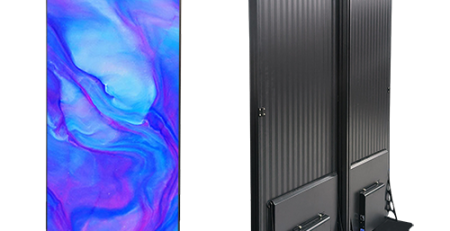
When comparing panel systems, you can also review RX Series rental displays and RZ Series indoor rental panels. For a freestanding promotional screen instead of a conventional supported LED wall, consider the SP Series LED poster.
Quick answers about RS
Can one person install the RS Series?
The RS brochure describes single-person cabinet installation and dismantling using two integrated upper grips and locks. This refers to handling and connecting individual cabinets. The complete LED wall still requires an appropriate support or rigging system, lifting equipment and the crew specified for the installation.
What are the cabinet dimensions and weight?
Every RS model uses a 500 × 500 × 68 mm cabinet, approximately 19.7 × 19.7 × 2.68 inches. RS19 and RS26 weigh 7.5 kg (16.5 lb); RS29, RS39 and RS48 weigh 8 kg (17.6 lb).
Which RS models are suitable for outdoor events?
RS29, RS39 and RS48 are outdoor models with a listed brightness of at least 5,000 cd/m² and an IP65 rating. RS19 and RS26 are indoor models rated IP31, with at least 1,000 cd/m² brightness. Select the model for the actual venue and exposure conditions.
How does the dual-use support beam work?
The same beam can serve as a hanging bar or a ground-support base. Lifting eyes provide suspension connection points; threaded leveling feet allow adjustment in ground-support mode. Confirm the matching hardware, load capacity and support arrangement for the intended configuration.
Make the next setup easier to plan
The RS story begins with the cabinet: integrated grips and locks, single-person panel handling, and a beam with two installation roles. Pair those details with the right model, support arrangement and delivery plan for your venue.
Explore the RS Series product page or send VTLED your target screen size, venue, viewing distance, installation method, event date and ZIP code.
Leave a Reply